Land Development Project
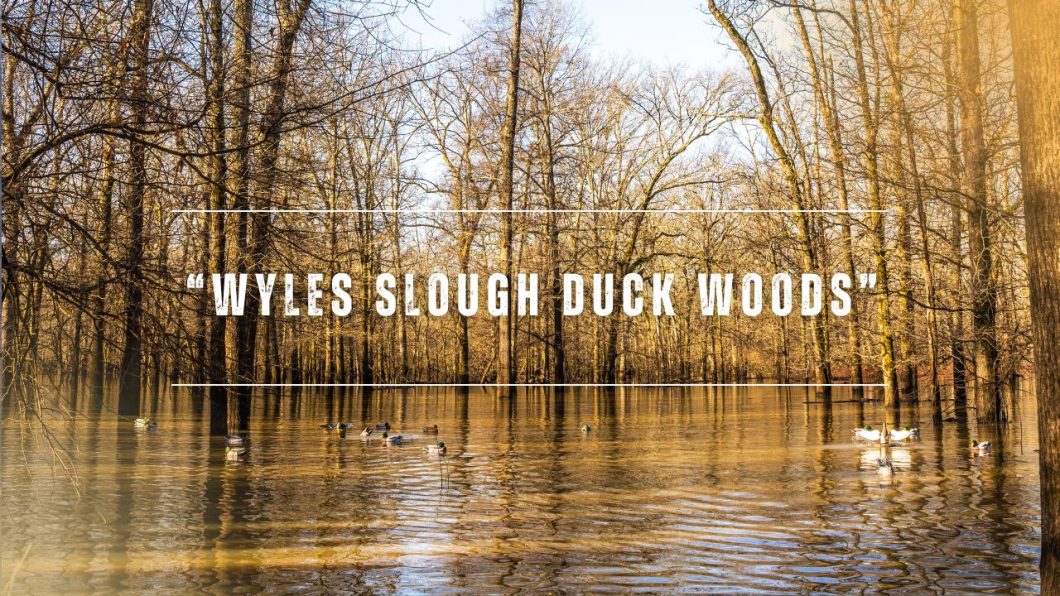
Wyles Slough Duck Woods
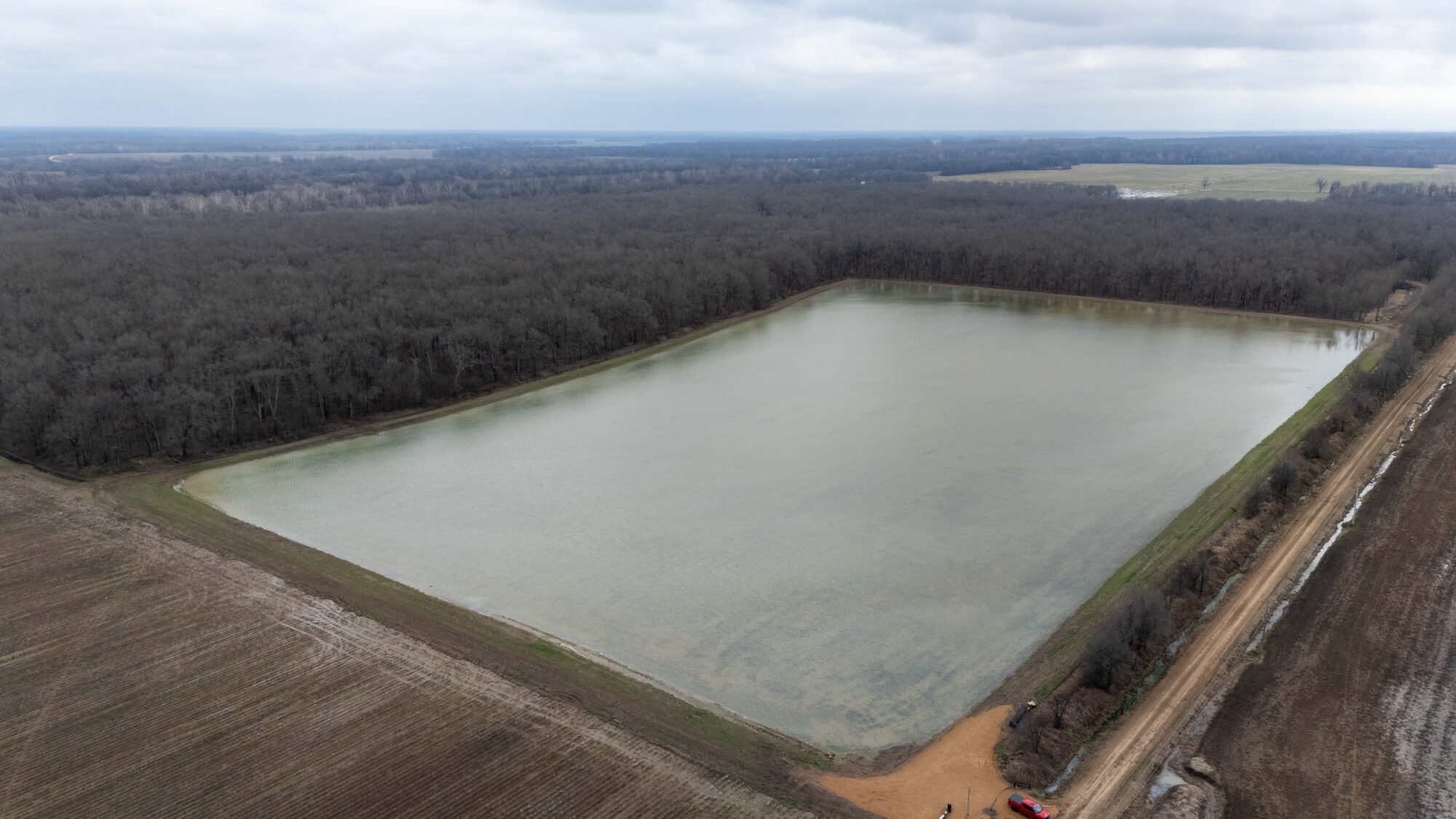
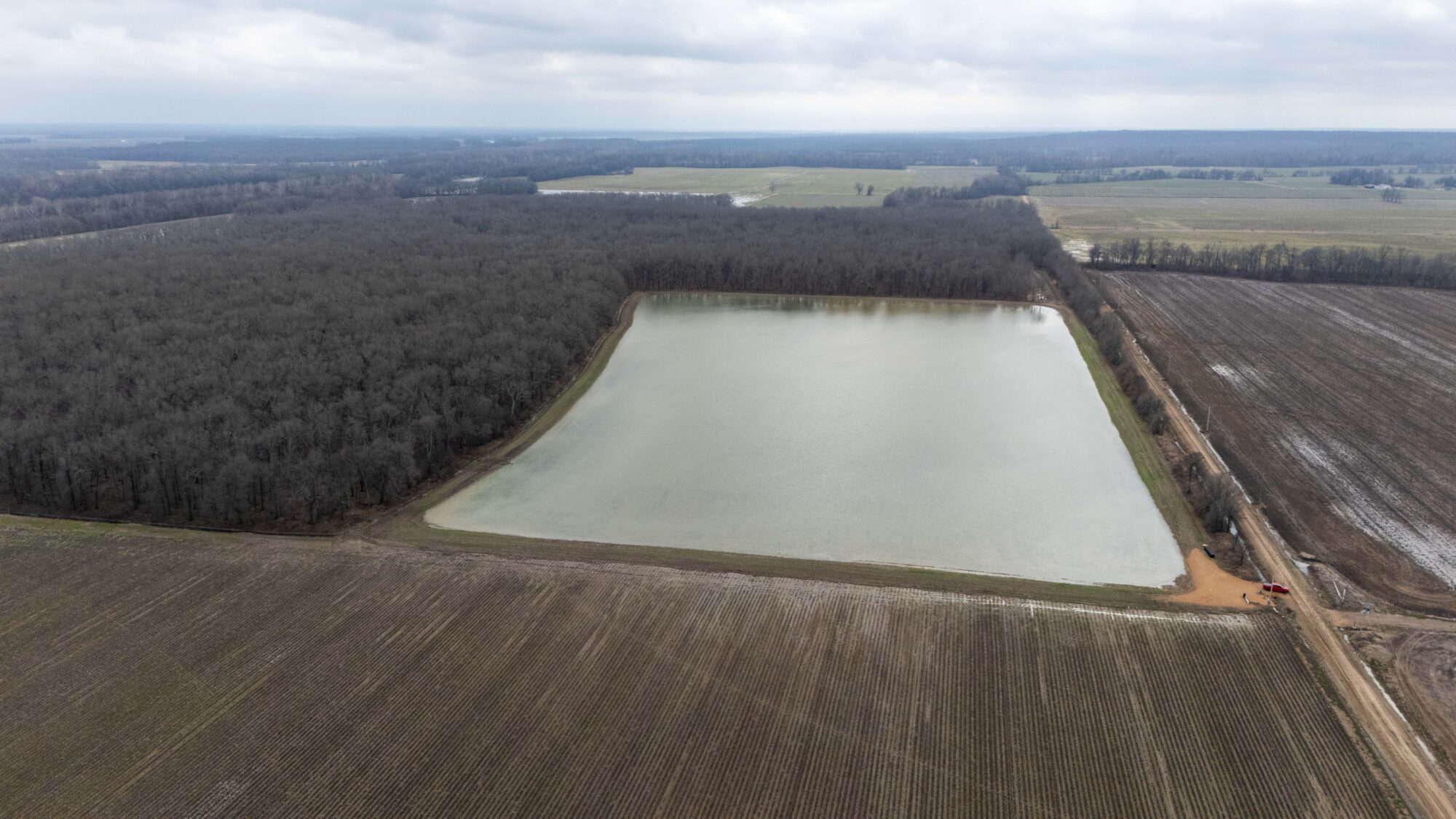
Wyles Slough Duck Woods is a recent example of intentional recreational land development built around long term habitat quality, dependable water management, and efficient hunting access.
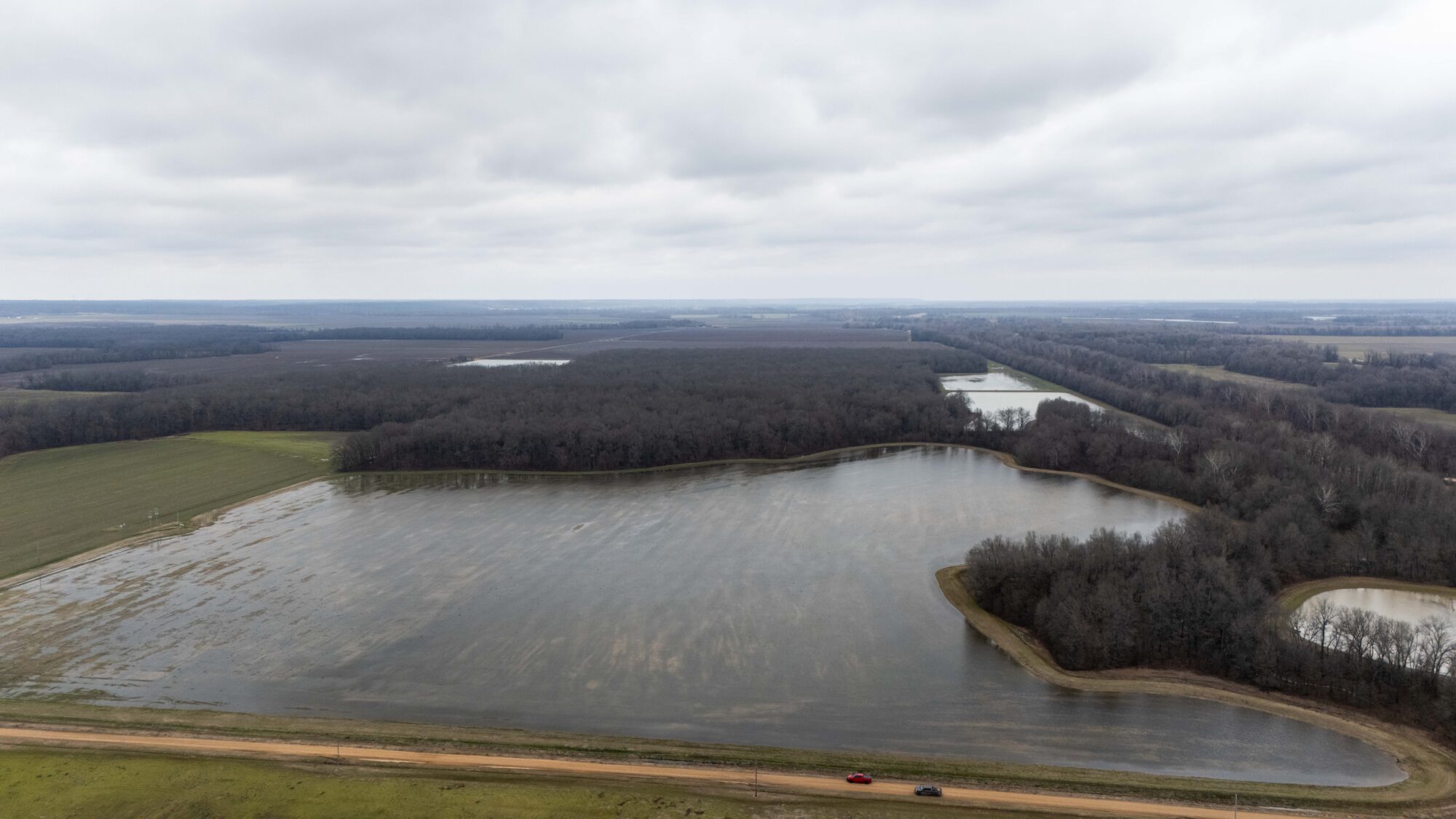
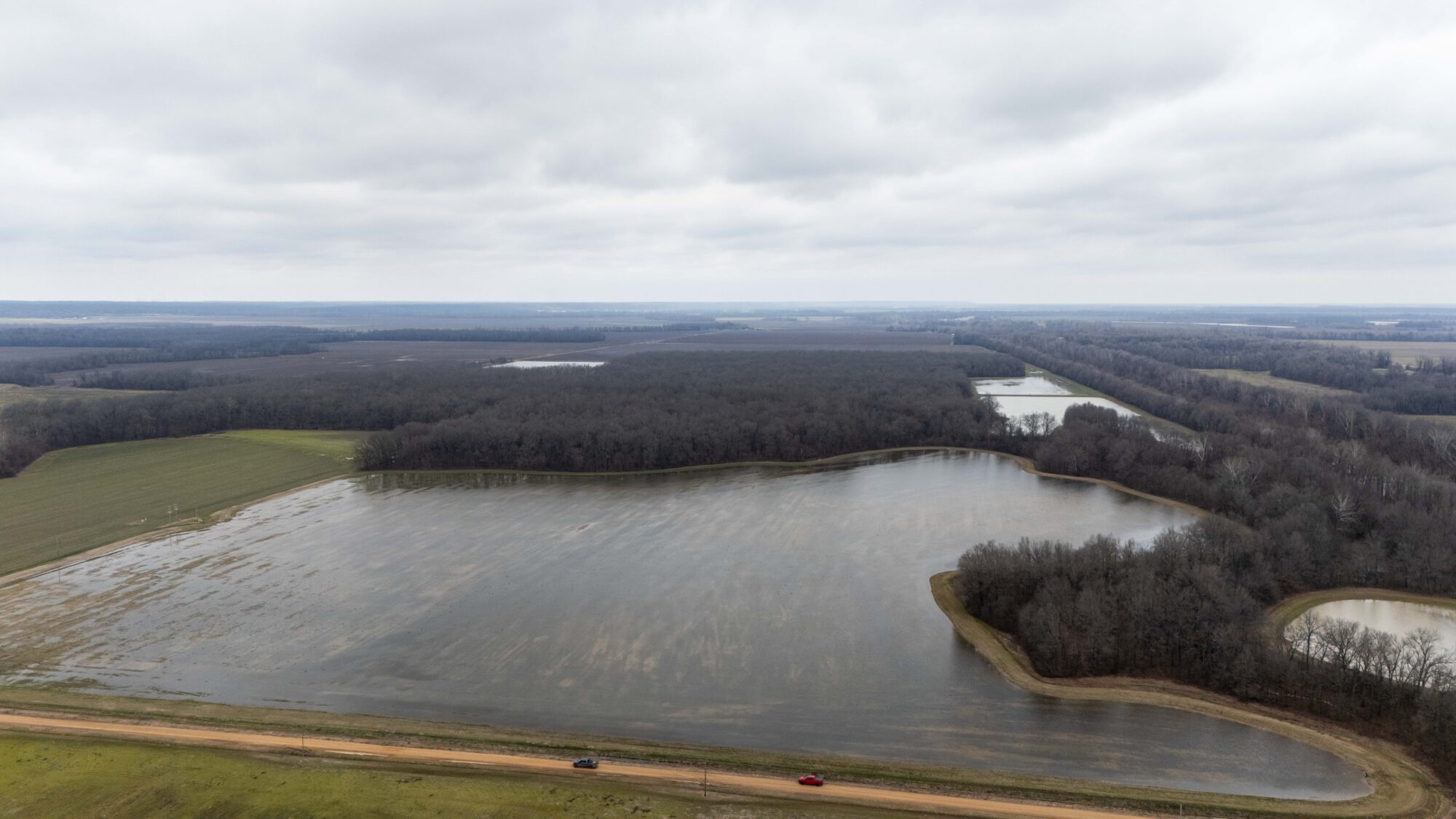
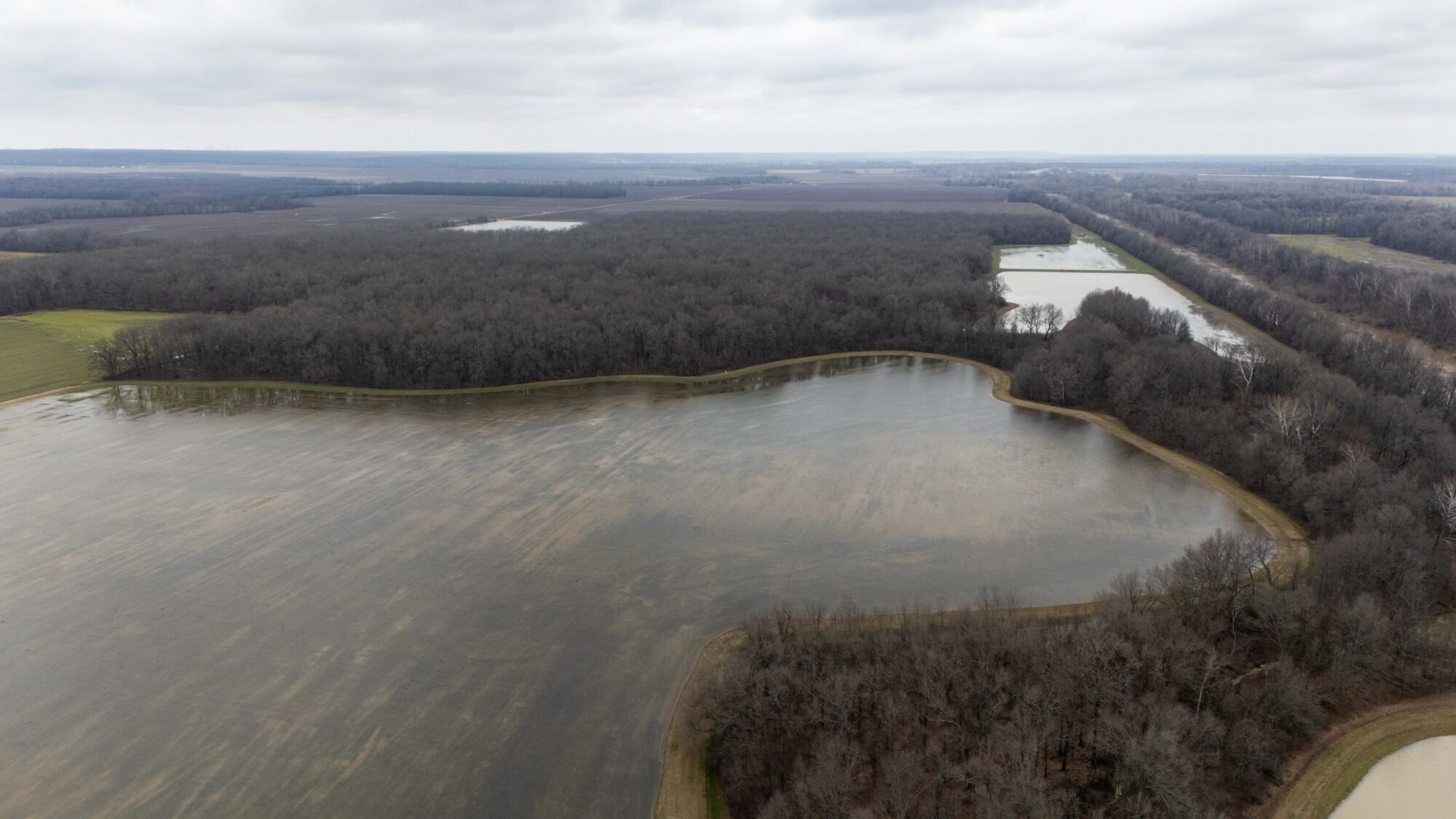
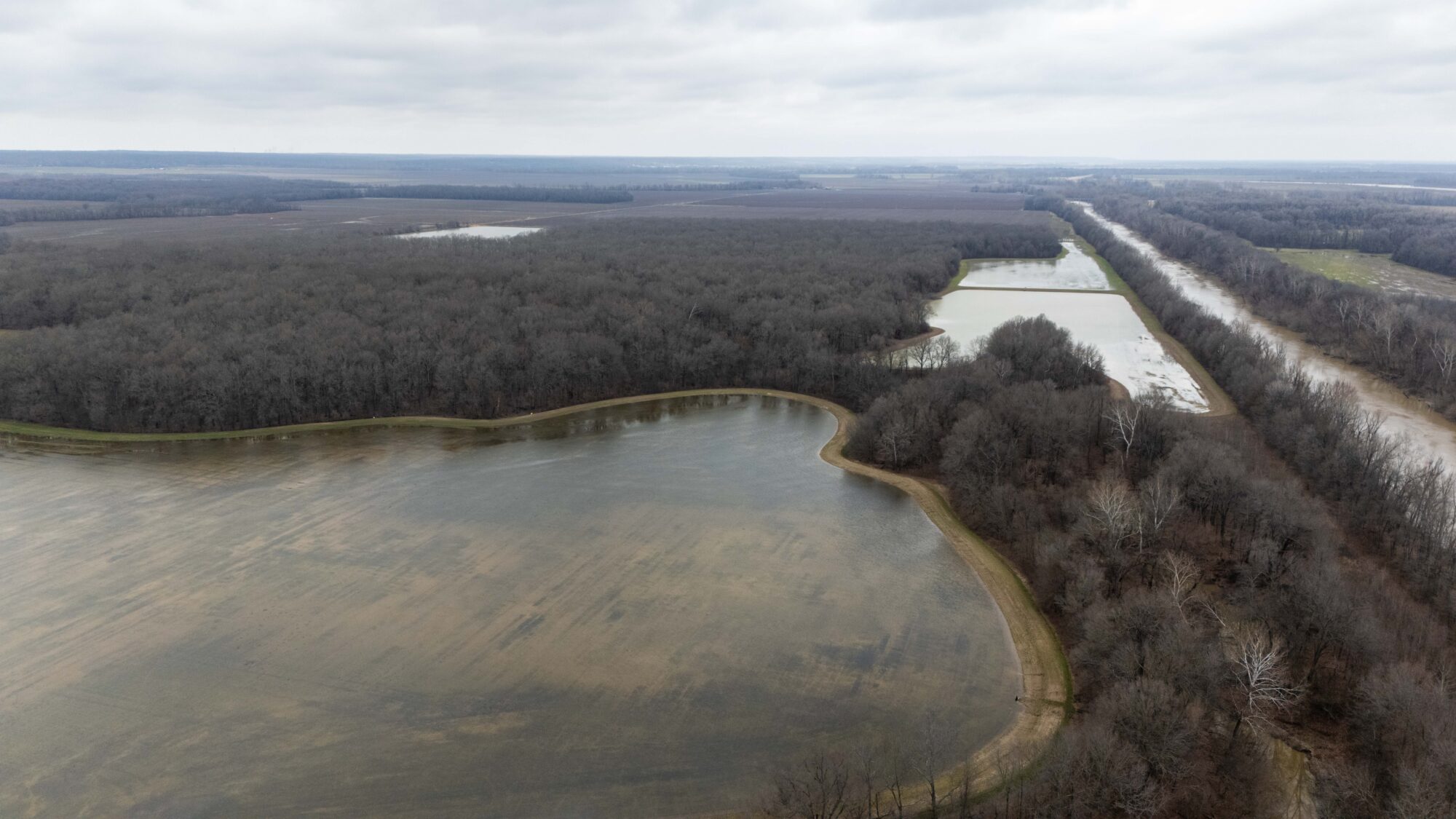
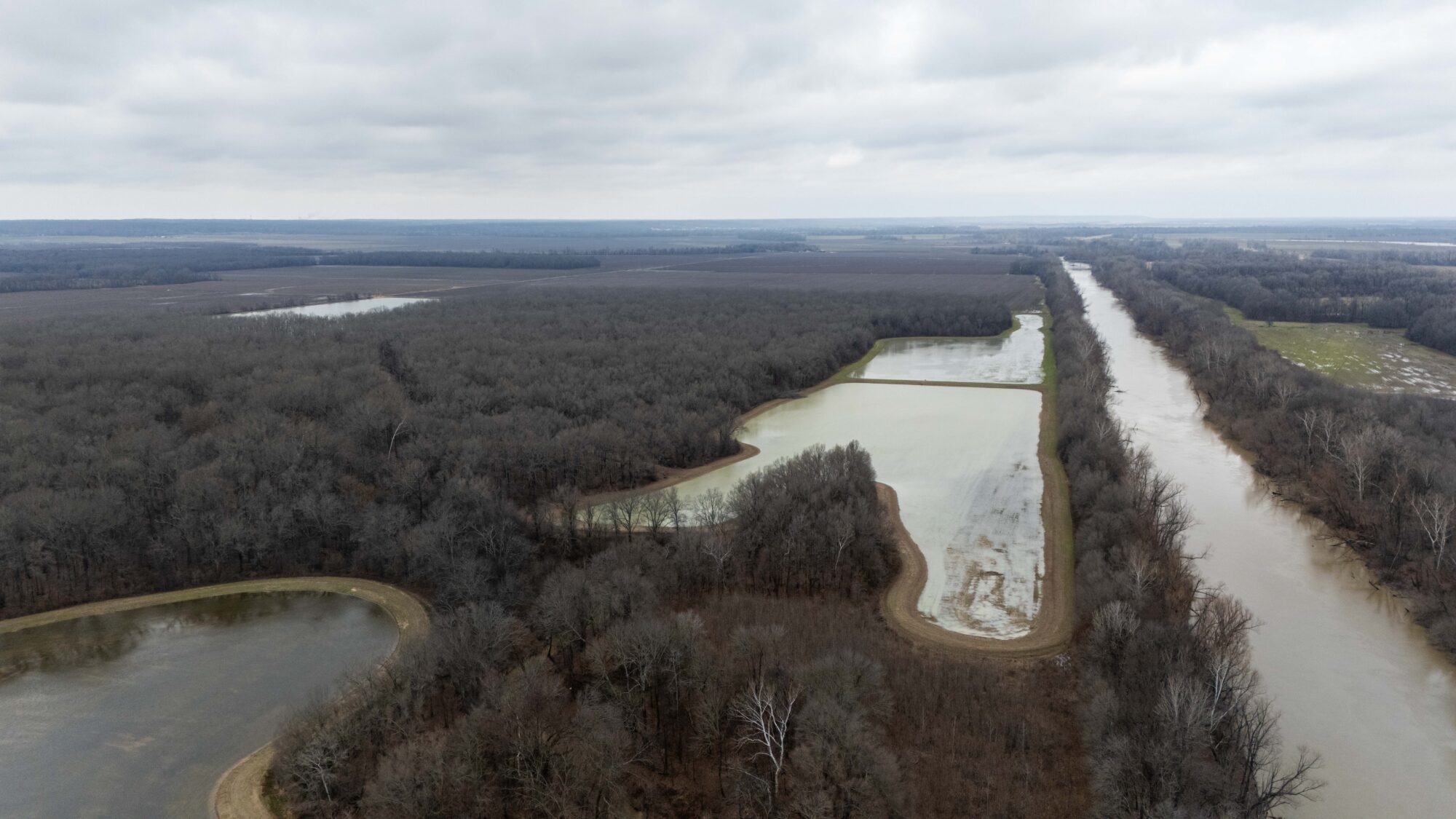
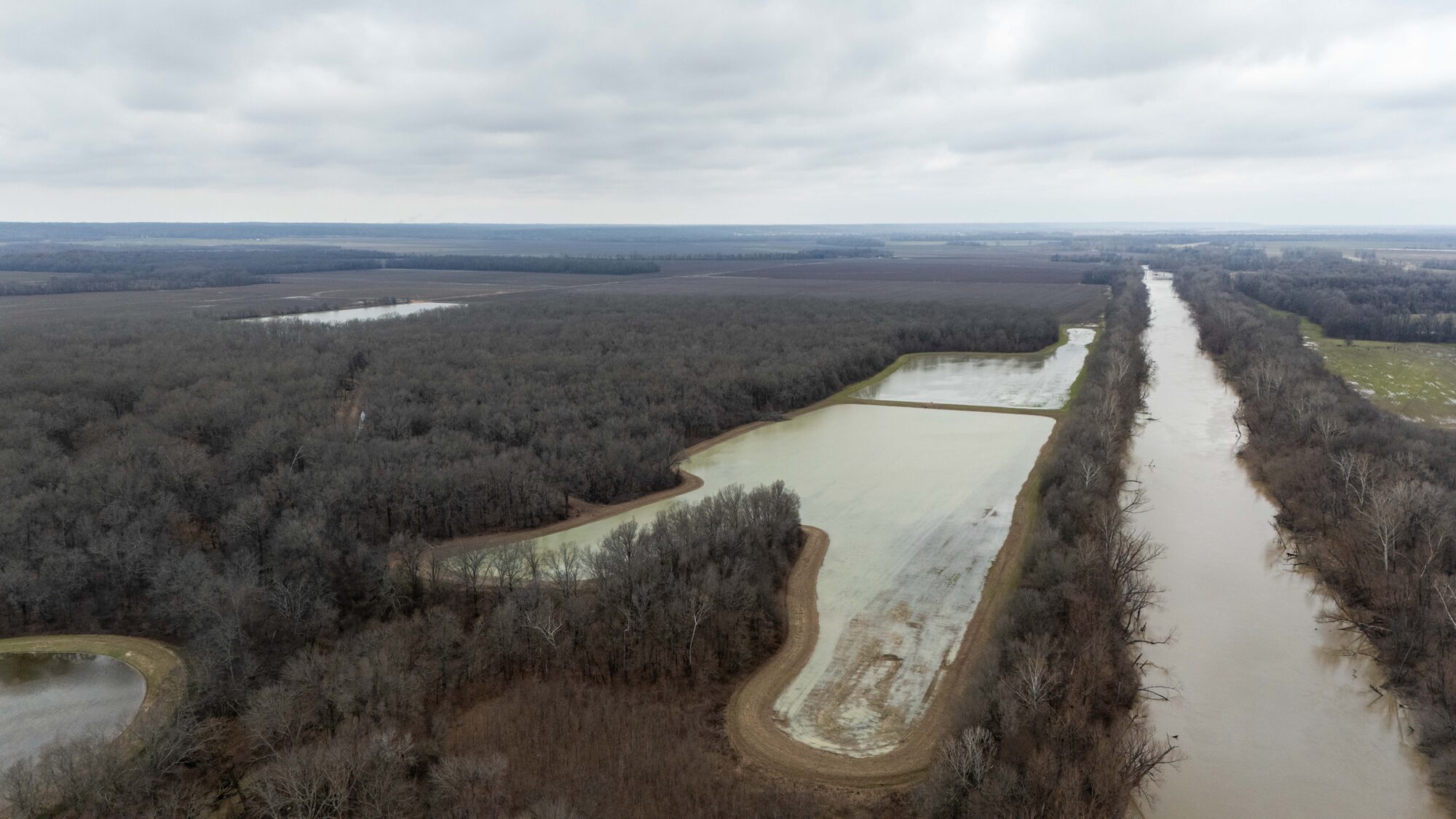
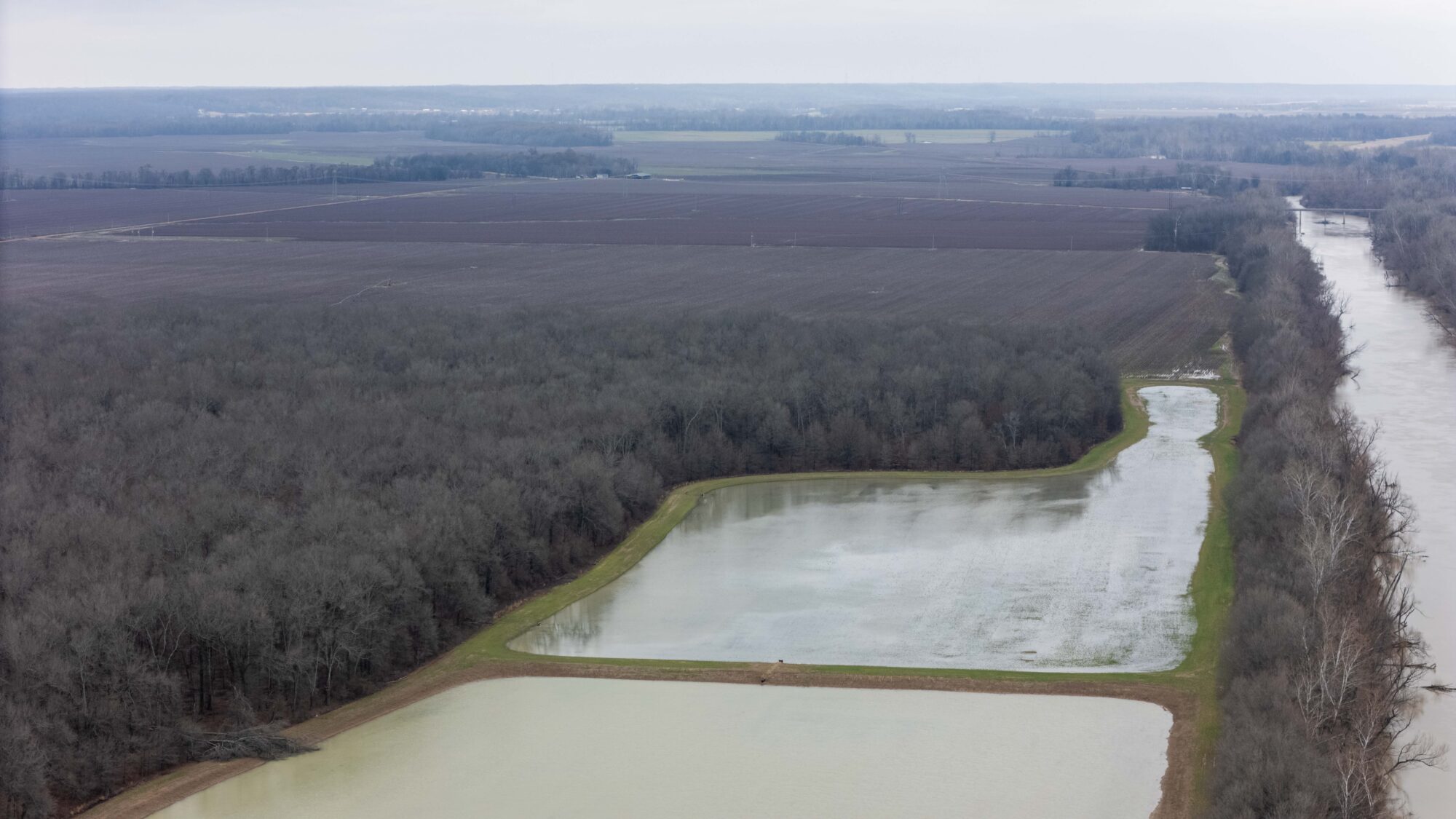
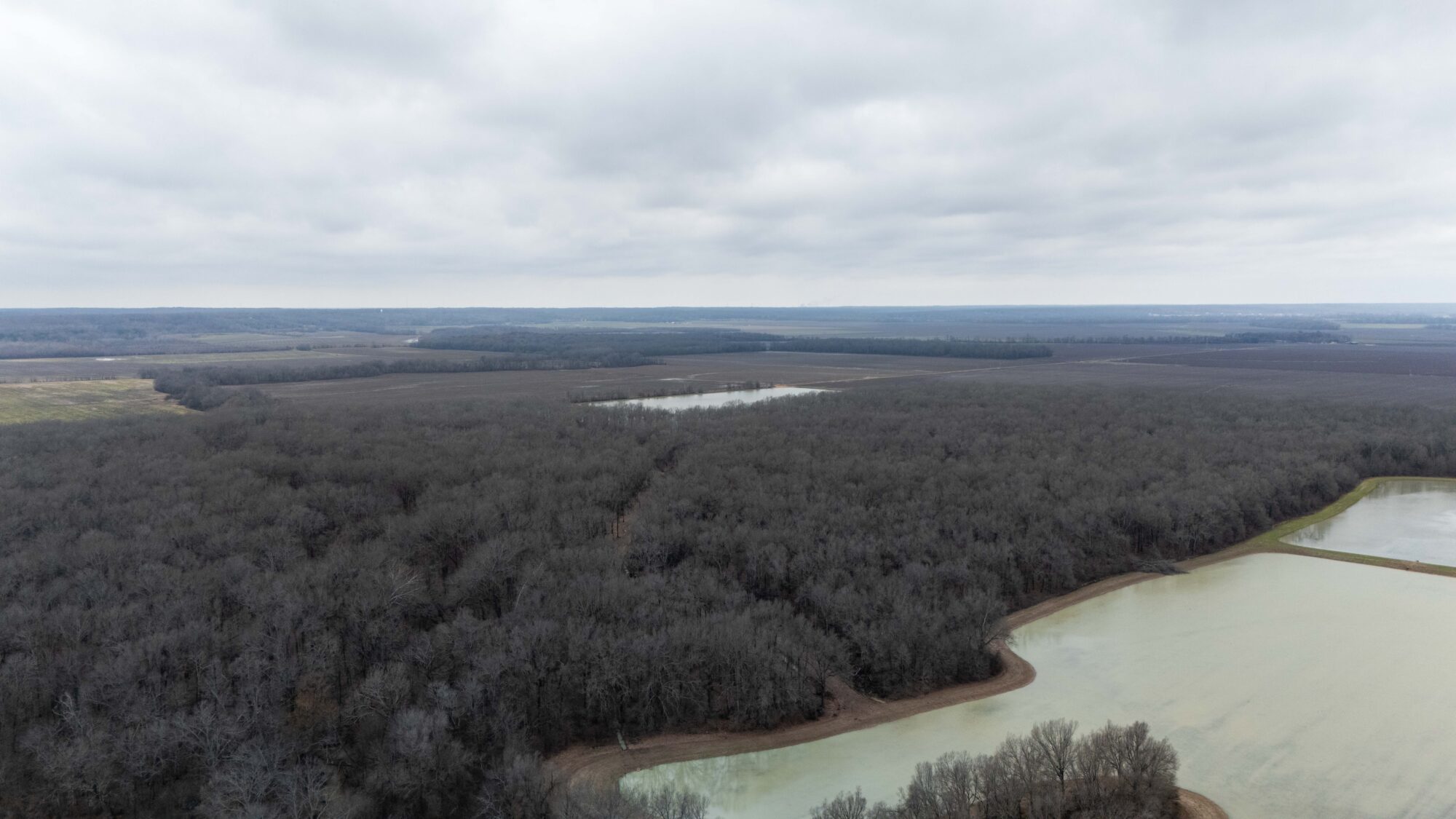
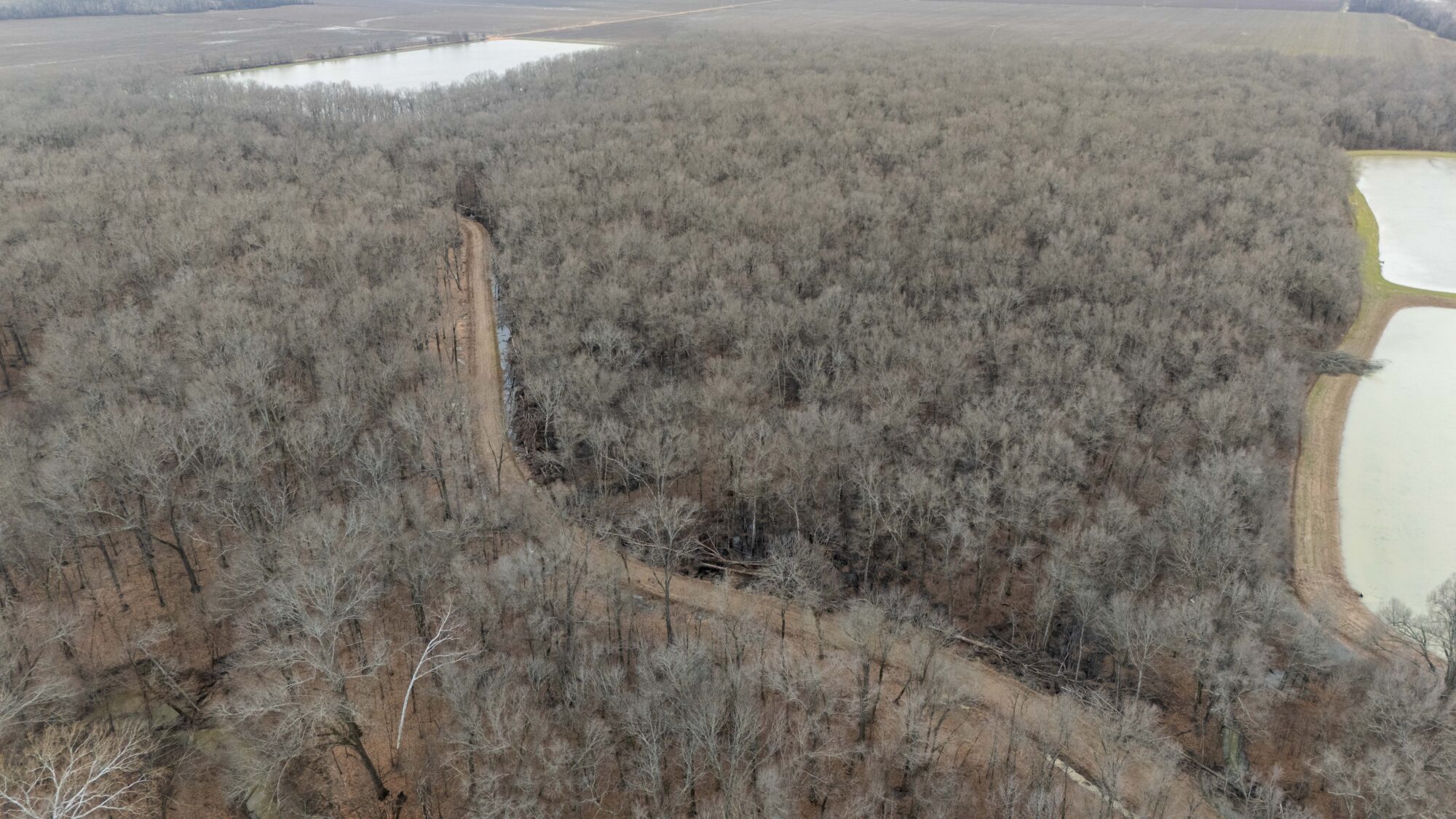
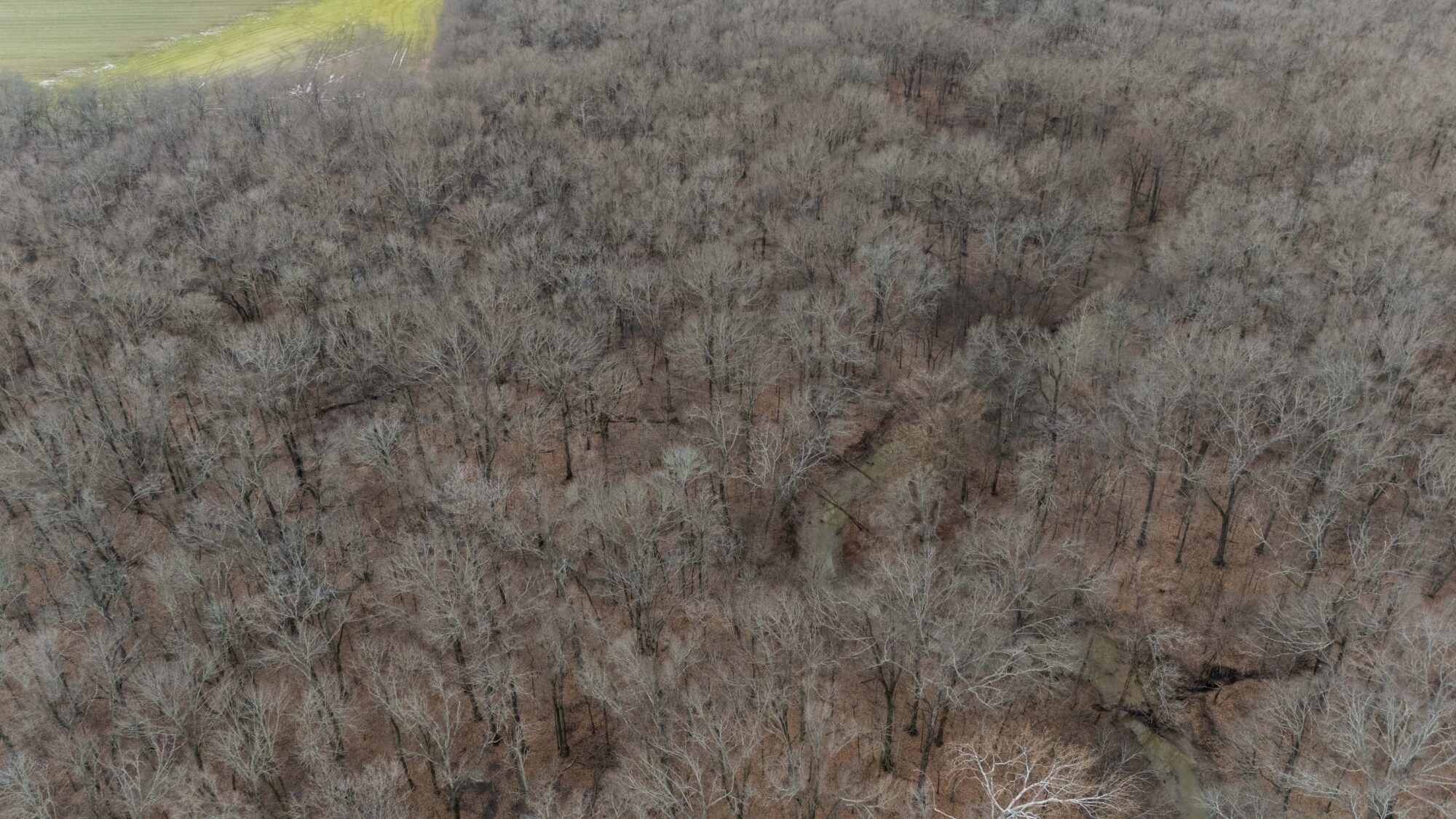
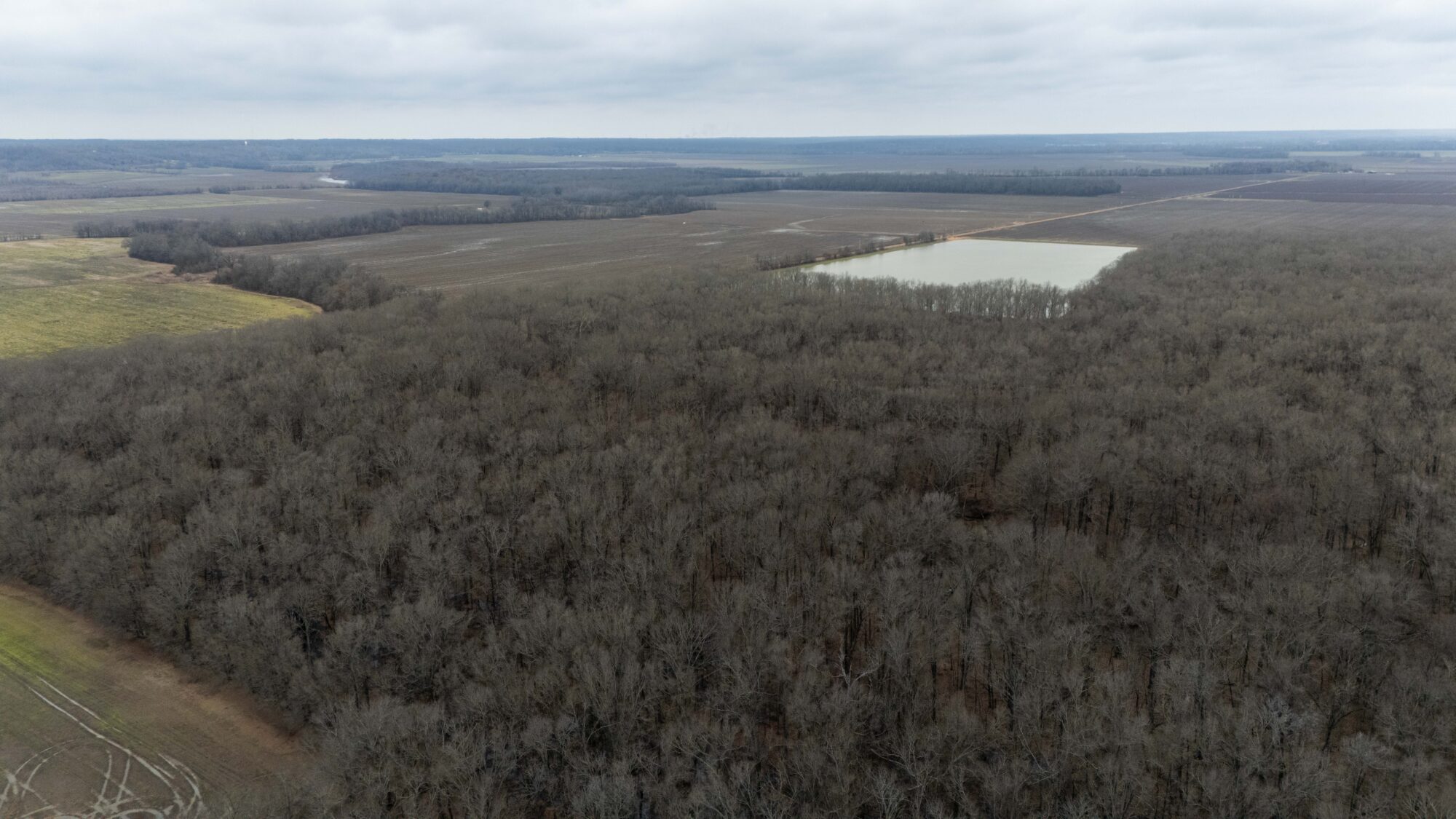
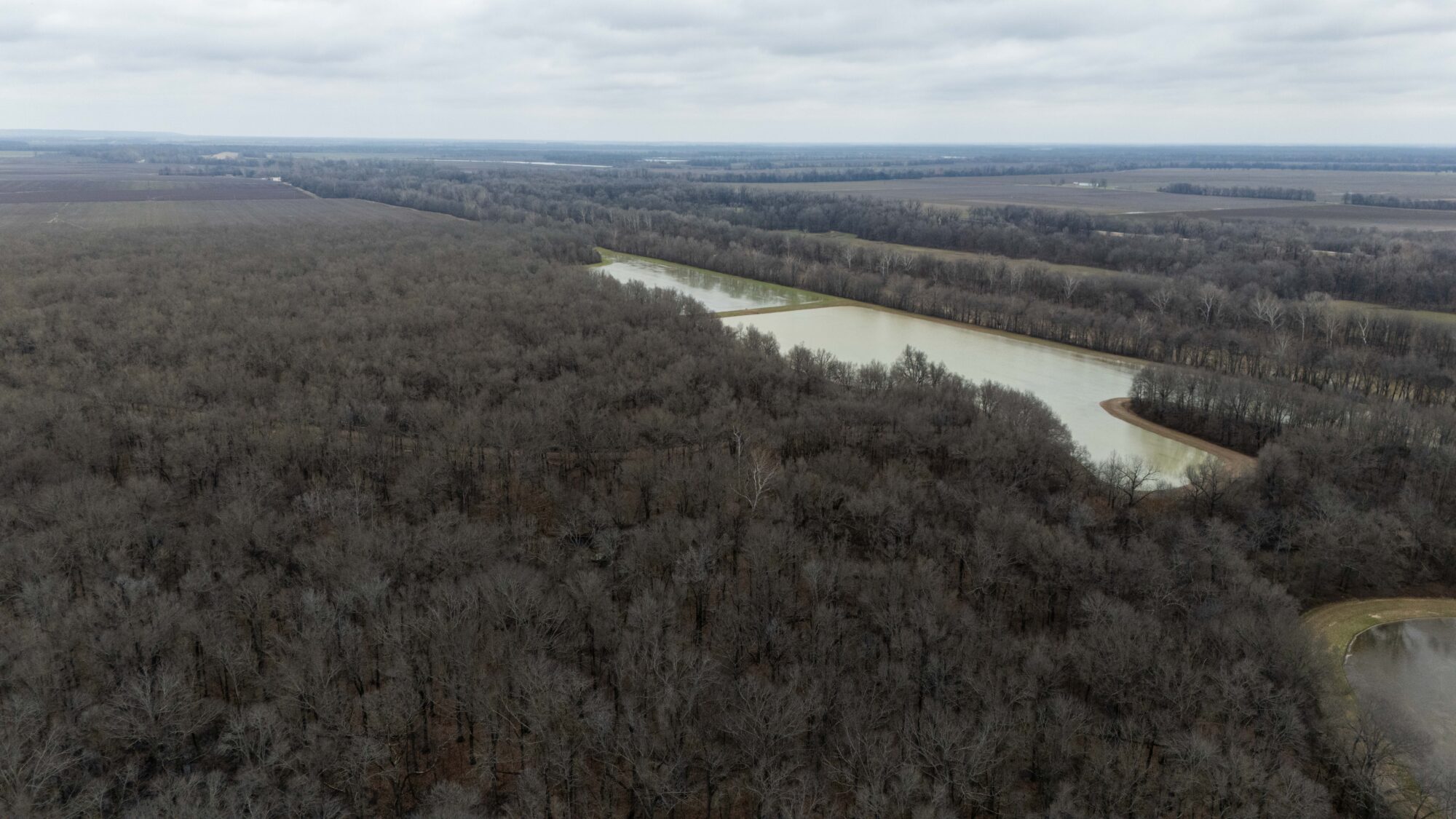
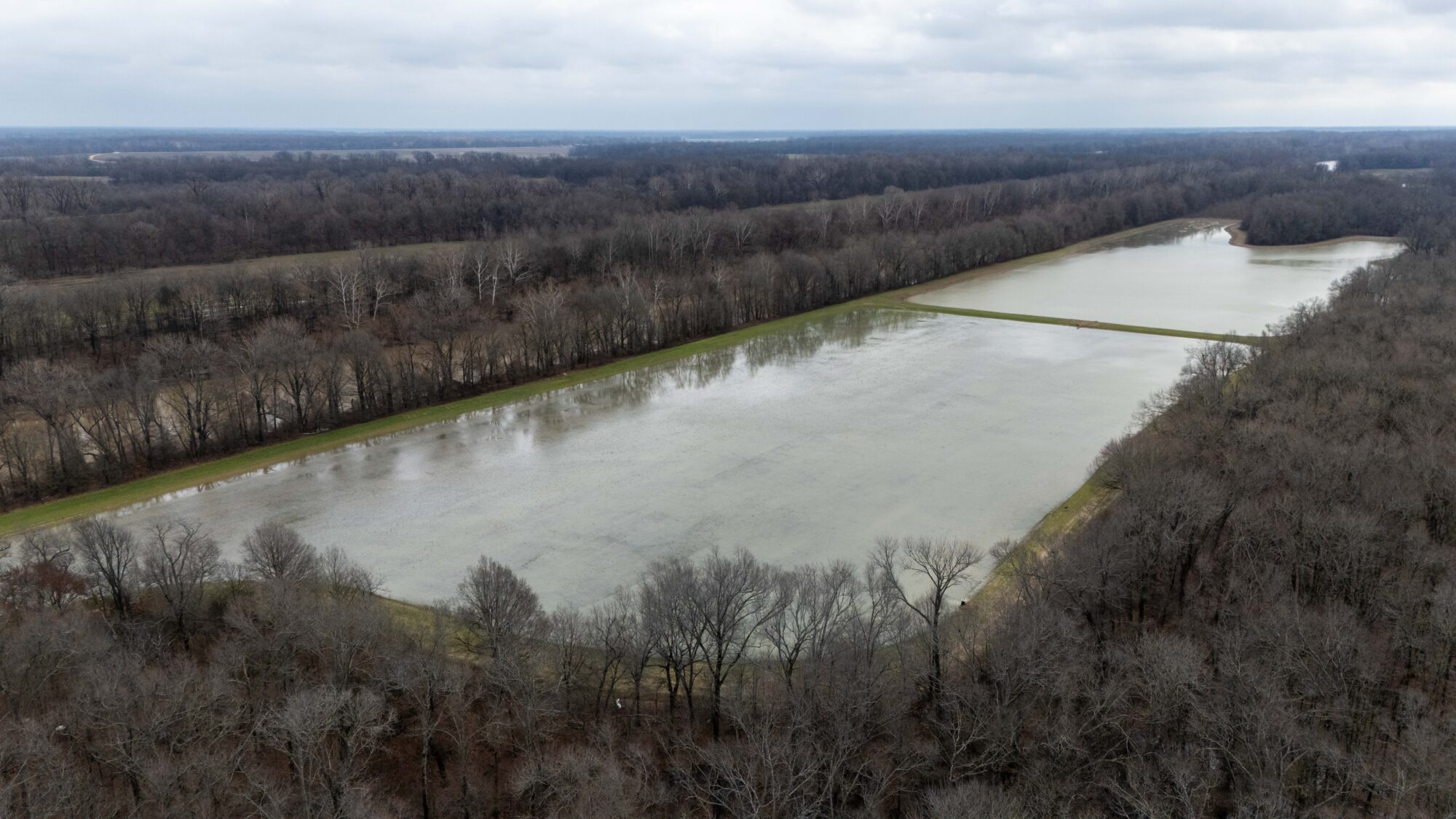
Located along the St. Francis River, the property was designed to maximize its natural advantages while creating a more complete waterfowl and whitetail habitat system. The development plan centered around flooded timber hunting, with timber openings strategically mulched and expanded to create productive hunting areas throughout the property.
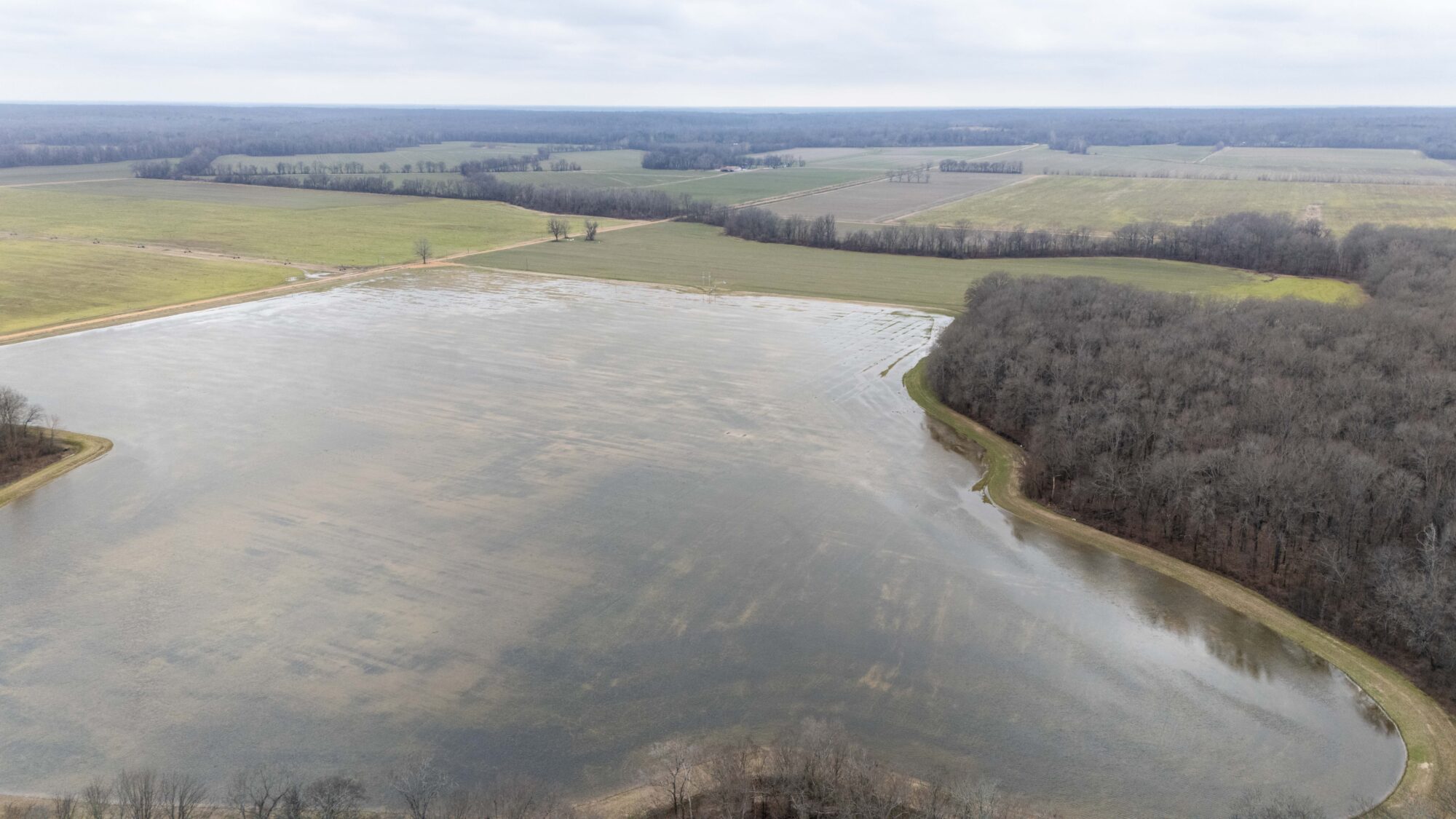
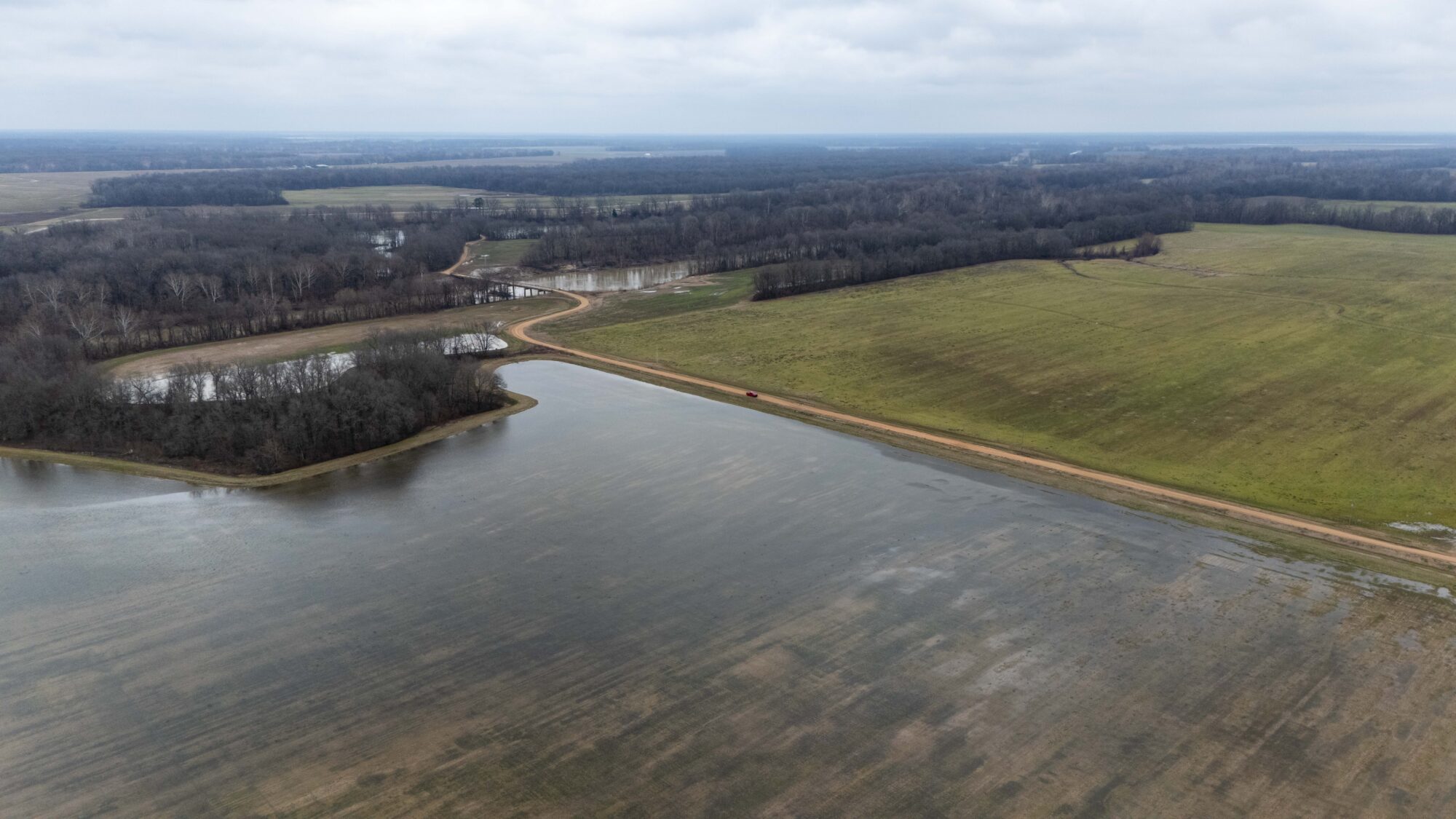
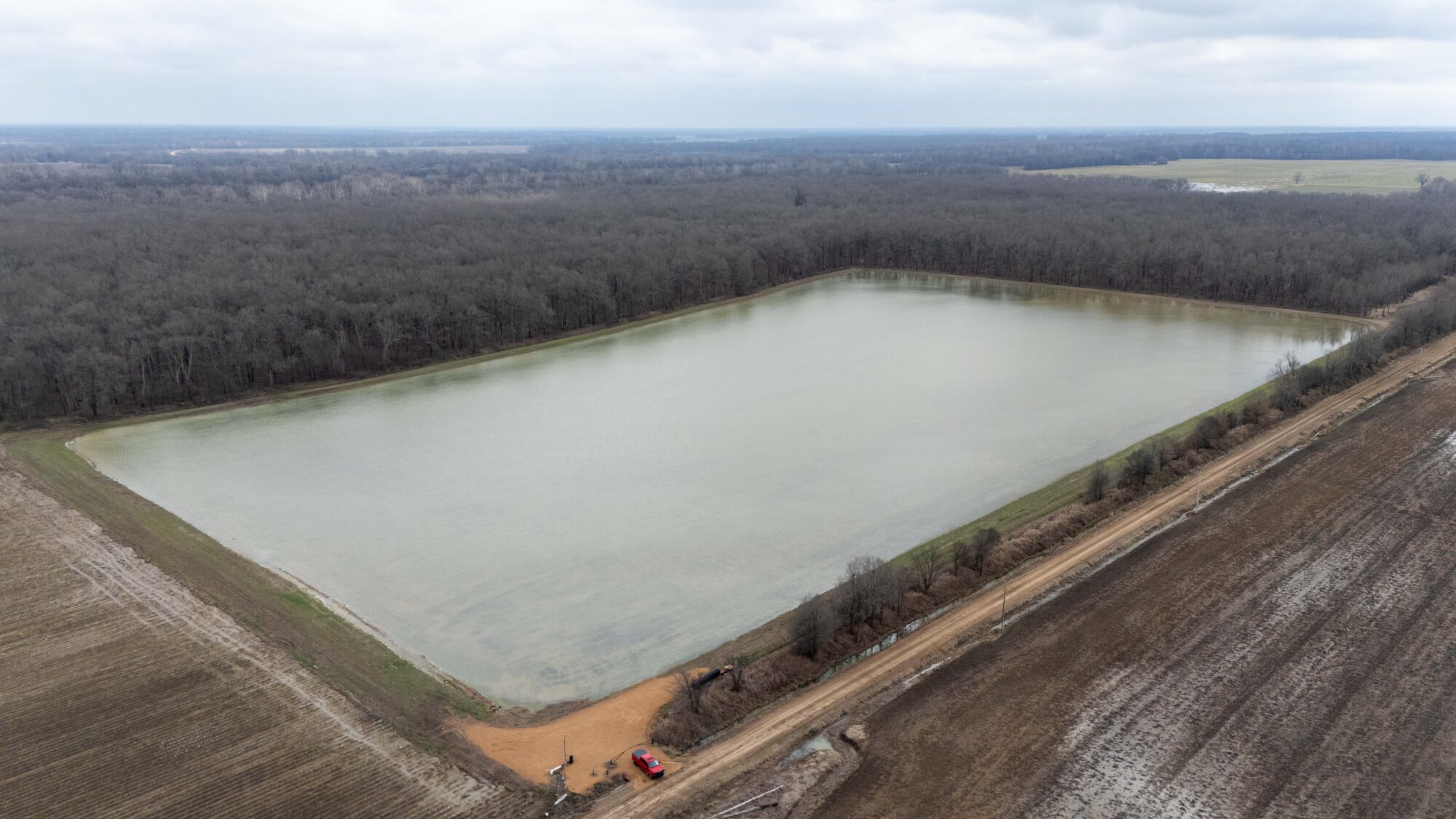
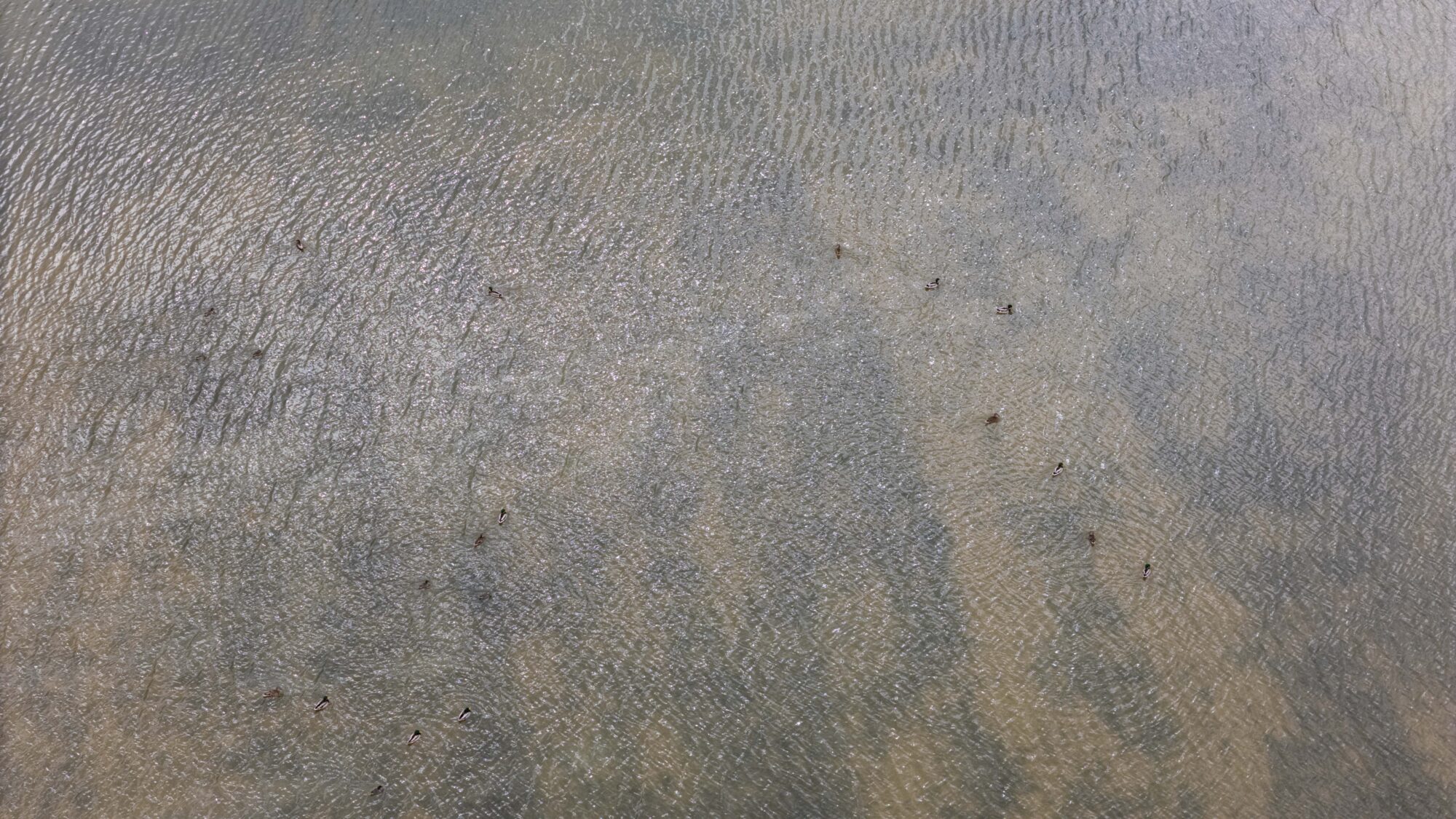
Established rest fields provide undisturbed areas for waterfowl, while new electric irrigation wells offer a dependable water source and greater control throughout the season. Access routes, water infrastructure, habitat improvements, and hunting locations were thoughtfully positioned to work together without placing unnecessary pressure on the property.
The surrounding agricultural ground, mature timber, dependable water, and proximity to the St. Francis River create strong habitat conditions for both waterfowl and mature whitetails. Portions of the property also remain in agricultural production, providing annual income while contributing to the overall habitat strategy.
The result is a fully developed recreational property where the major planning, construction, and habitat work has already been completed. Wyles Slough Duck Woods demonstrates what is possible when every improvement is made with a clear purpose and the long term future of the land in mind.