Land Development Project
The State Line
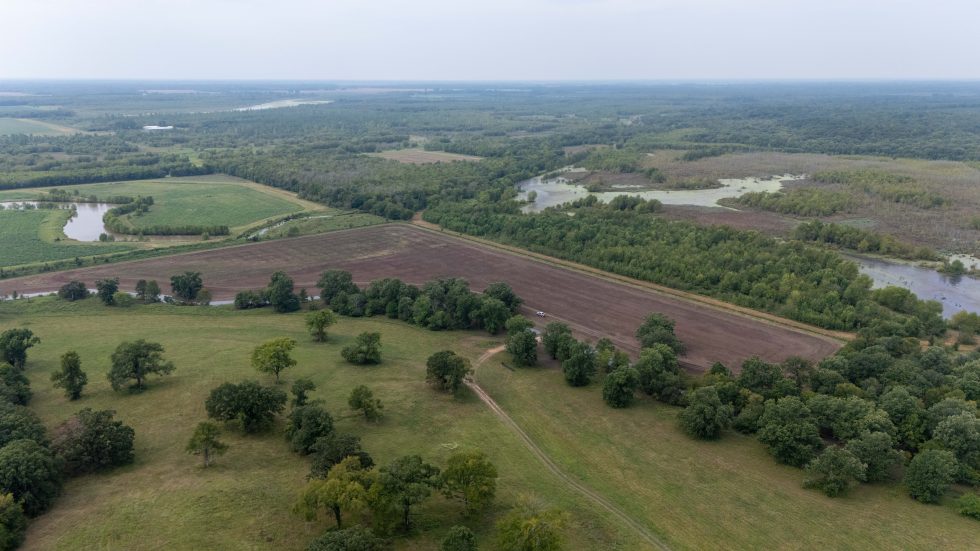
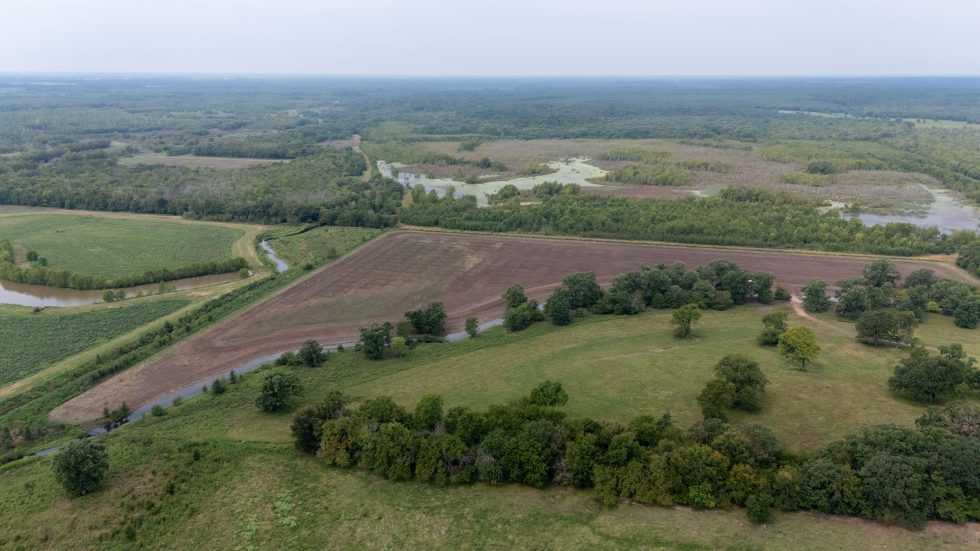
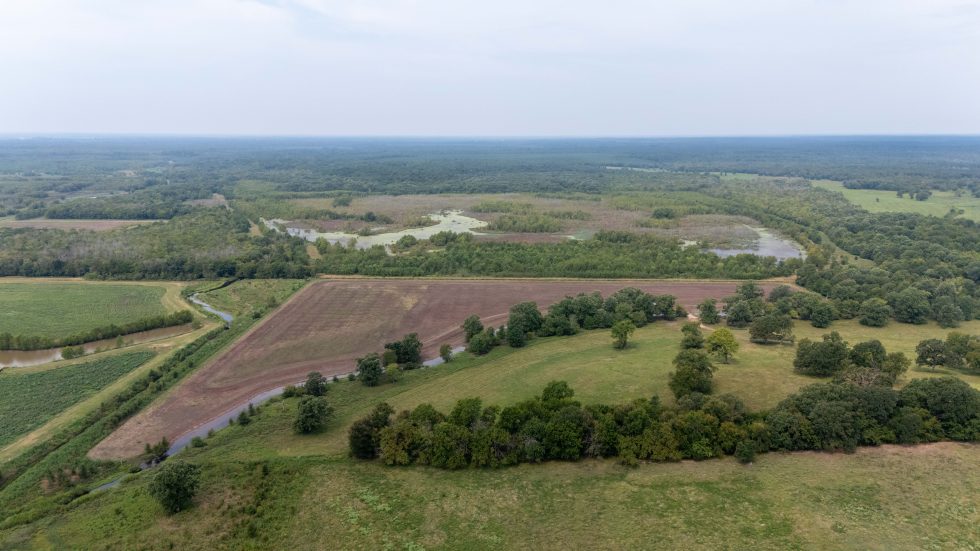
Located along the Arkansas and Oklahoma state line, this project demonstrates how targeted habitat improvements can make a meaningful impact, even on a smaller footprint.
Phase 1 focused on creating a dependable sheet water source in an area where shallow water habitat is limited. The field was prepared, planted in millet, and designed to hold water during the waterfowl season. This improvement provides both food and habitat while creating one of the few sheet water opportunities in the surrounding area.
By introducing a managed flooded field, the landowner is positioned to attract and hold more waterfowl while adding an entirely new recreational component to the property. The first phase has been completed, and the property is ready to hunt this winter.
Phase 2 is planned for the following year and will include planting several hundred oak trees throughout the project area. As the trees mature, they will add long term food production, cover, and habitat diversity for waterfowl and other wildlife.
This project highlights how thoughtful planning and well placed improvements can transform the hunting potential of a property without requiring a massive amount of acreage.